
Voter Turnout Highlights The Need For Engaging And Inclusive Policies
Voter turnout is often considered one of the strongest indicators of a healthy democracy. When citizens actively participate in elections, it signals trust, engagement, and belief in the political process. However, fluctuations in turnout rates reveal an important truth: policies must be engaging and inclusive to motivate participation.
Understanding why people vote—or choose not to—can help shape stronger, more representative governance.
🗳️ Why Voter Turnout Matters
High voter turnout reflects:
- Public confidence in leadership
- Trust in electoral systems
- A sense of civic responsibility
- Belief that votes truly matter
Low turnout, on the other hand, may suggest political disillusionment, lack of representation, or barriers to participation.
According to organizations like the International Institute for Democracy and Electoral Assistance (IDEA), voter participation varies widely across countries, often influenced by institutional design and political culture.
🌍 Inclusivity Strengthens Democracy
Inclusive policies aim to ensure that all groups—regardless of age, gender, income, ethnicity, or location—have equal access to the political process.
Key elements of inclusive governance include:
- Accessible voter registration systems
- Fair district representation
- Language accessibility
- Equal campaign opportunities
- Transparent election procedures
When citizens feel represented, they are more likely to engage in elections.
📊 The Role of Election Systems
Different electoral systems influence turnout levels.
For example:
- Compulsory voting, as practiced in Australia, typically results in higher participation rates.
- Proportional representation systems may encourage broader party representation, increasing voter interest.
- Complex or restrictive systems can discourage participation.
Institutional design plays a critical role in shaping engagement.
👥 Youth Engagement and Political Participation
Young voters often show lower turnout rates compared to older demographics. However, this trend shifts when issues directly affect them.
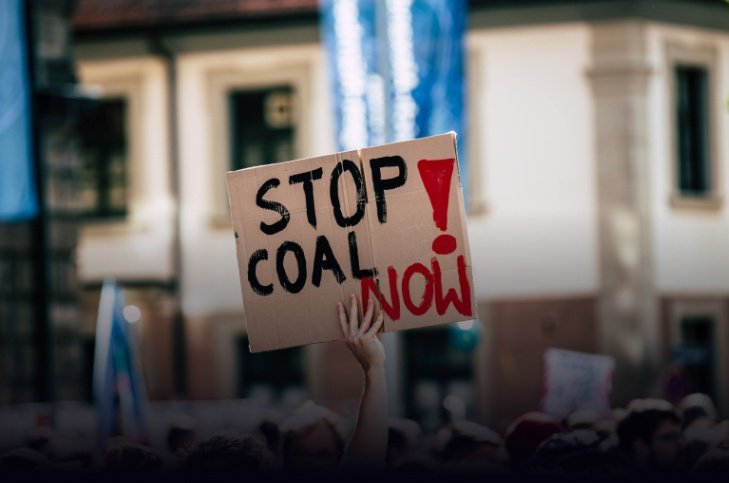
Movements inspired by activists like Greta Thunberg demonstrate how strong policy advocacy—especially on climate issues—can energize younger generations.
Engaging policies for youth include:
- Education reform
- Employment opportunities
- Climate action
- Digital rights
When young voters see tangible impact, participation rises.
💬 The Power of Policy Communication
Policies must not only be inclusive—they must also be communicated effectively.
Modern campaigns use:
- Social media platforms
- Community outreach programs
- Public debates
- Data-driven messaging
Clear communication builds trust and helps voters understand how policies affect their daily lives.
⚖️ Addressing Barriers to Participation
Several factors can limit voter turnout:
- Complex registration processes
- Limited polling access
- Misinformation
- Political distrust
Reducing barriers through administrative reform and civic education strengthens democratic participation.
Institutions like the United Nations Development Programme (UNDP) actively support initiatives aimed at improving electoral access and civic engagement worldwide.
🔮 Building a More Engaged Future
To increase voter turnout, policymakers must focus on:
✔ Fair representation
✔ Transparent governance
✔ Inclusive social policies
✔ Accessible voting systems
✔ Continuous civic education
When policies reflect diverse voices and address real community needs, citizens feel empowered to participate.