
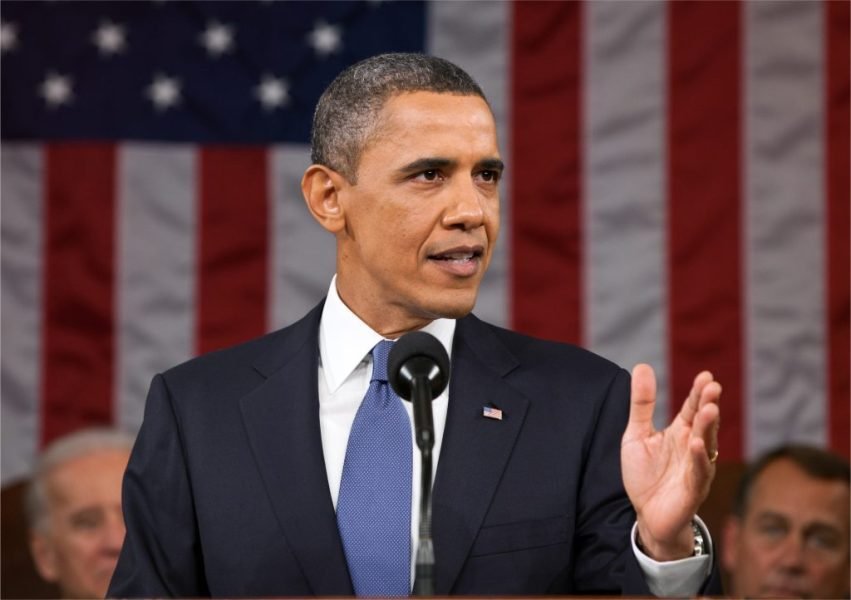
Inside the Power Struggles A Comprehensive Analysis of Political Shifts and Trends
Politics is constantly evolving. Power shifts, ideological changes, economic pressures, and social movements reshape governments and global relationships. Understanding these transformations helps citizens, analysts, and leaders make informed decisions in an increasingly complex world.
This article explores the major political shifts and trends shaping modern power dynamics.
🌍 1. The Rise of Populism
In recent years, populist movements have gained momentum in multiple regions. Populism often emphasizes:
- National identity
- Anti-establishment sentiment
- Strong central leadership
- Protectionist economic policies
These movements can significantly reshape party systems and influence global cooperation.
🔄 2. Shifting Global Power Dynamics
The balance of global influence is changing. Traditional powers are adjusting while emerging economies gain stronger voices in international affairs.
Key factors influencing global shifts:
- Economic growth patterns
- Trade alliances
- Military strength
- Technological development
- Energy resources
Multipolar politics is becoming more visible as nations compete for influence.
🗳 3. Generational Political Change
Younger voters are reshaping political landscapes.
Common priorities among newer generations:
- Climate action
- Social equality
- Digital freedom
- Economic opportunity
This generational shift is forcing established parties to adapt policies and messaging.
💻 4. Technology and Political Influence
Digital platforms now play a central role in political communication.
Technology affects politics through:
- Social media campaigns
- Real-time news cycles
- Online activism
- Data-driven voter targeting
While technology increases engagement, it also raises concerns about misinformation and polarization.
⚖️ 5. Polarization and Ideological Divides
Many countries are experiencing increased political polarization.
Contributing factors:
- Economic inequality
- Cultural debates
- Media fragmentation
- Identity politics
Polarization can challenge governance and consensus-building.
🌱 6. Climate and Environmental Politics
Environmental policy has become central to political agendas worldwide.
Governments are debating:
- Renewable energy transitions
- Carbon reduction strategies
- Climate agreements
- Sustainable development policies
Climate politics is no longer a niche issue—it is a core policy concern.
💰 7. Economic Pressures and Policy Shifts
Economic crises, inflation, and global supply disruptions heavily influence political outcomes.
Key themes include:
- Job creation
- Inflation control
- Trade regulation
- Social welfare reforms
Economic stability remains one of the strongest drivers of political support.
🔮 8. The Future of Political Trends
Looking ahead, political systems may face:
✔ Greater digital governance
✔ More decentralized movements
✔ Increased global competition
✔ Stronger regional alliances
✔ Continued generational influence
Adaptability will be crucial for governments navigating complex global challenges.